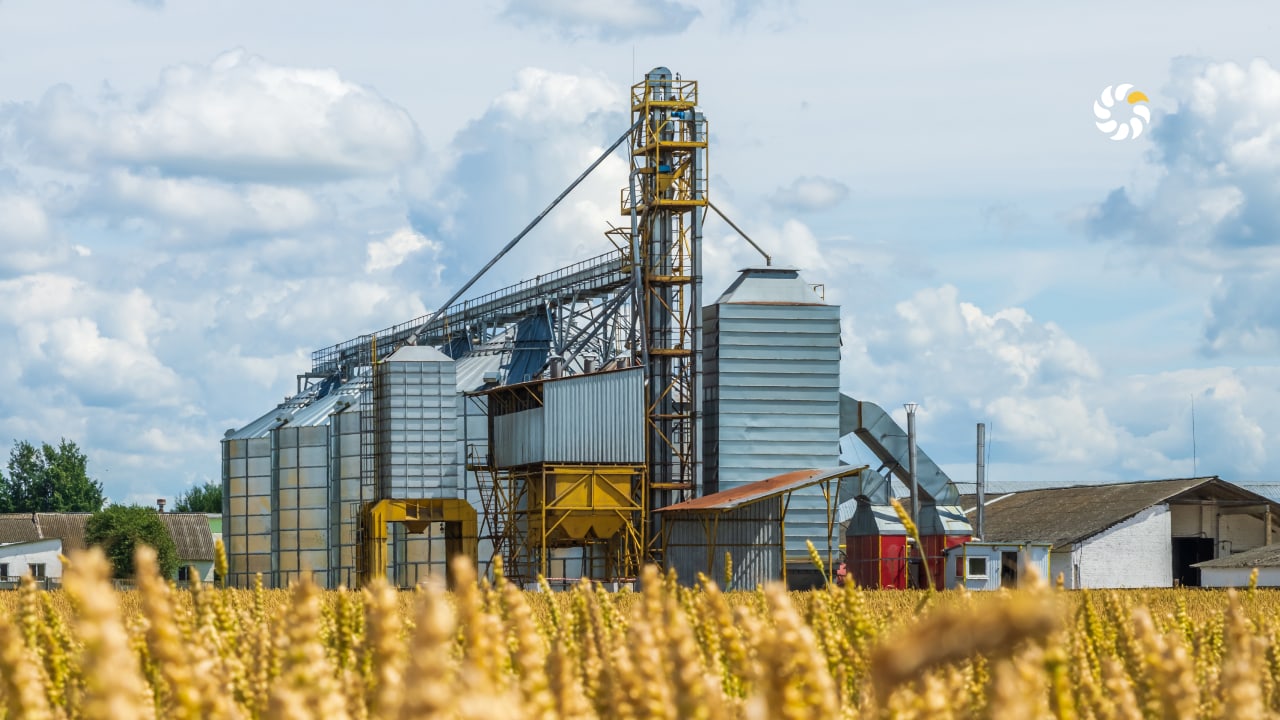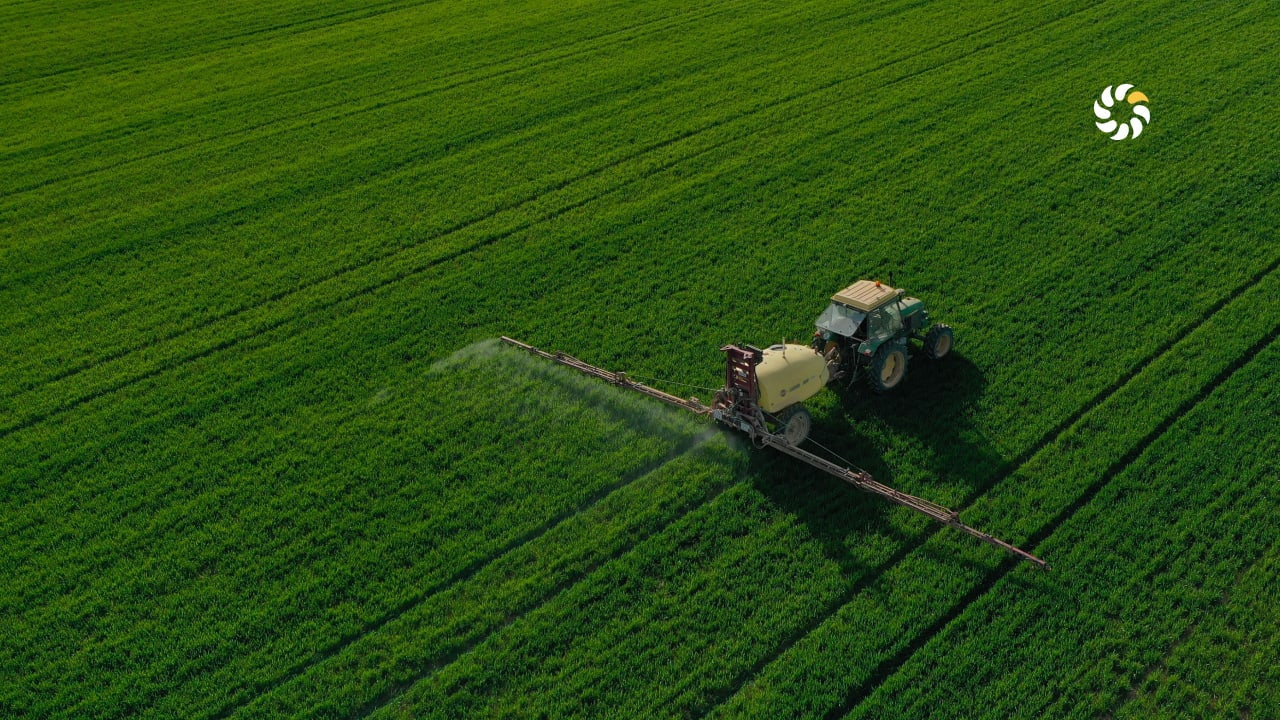
Harvest and preparation for fall planting are often perceived as two separate stages of field operations. In reality, their parallel execution allows farms to use equipment more efficiently, preserve soil moisture, and begin sowing winter crops on time. For modern agribusiness, a difference of even a few days can affect seedling uniformity and future yields.
According to agronomic research, delays in primary operations after harvesting the previous crop lead to loss of productive moisture, deterioration in soil preparation quality, and reduction of the optimal planting window. That is why most large farms begin preparing for the fall campaign before harvest is completed.
Why should you not wait for harvest to finish?
There is very little time between harvest and winter crop sowing. Winter rapeseed in many regions of Ukraine begins to be sown as early as August, and optimal sowing dates for winter wheat in most regions fall in the second half of September and early October. If preparation begins only after all areas are harvested, the farm risks missing agrotechnical deadlines.
A delay of even 7-10 days can lead to weaker plant development in autumn. An insufficiently developed root system, fewer tillering shoots, and poorer winter hardiness often result in loss of potential yield even before spring vegetation begins. Therefore, farm preparation for planting is increasingly organized in parallel with the completion of harvest.

How to properly allocate the machinery fleet?
During peak loads, the same equipment is often needed for several operations at once. If logistics are organized inefficiently, downtime occurs even with sufficient machinery.
When planning, it is advisable to determine in advance:
- which combines will finish work first;
- when soil cultivation equipment will enter the field;
- which tractors will work with cultivators and disc harrows;
- schedule for moving units between fields;
- equipment reserve in case of repairs.
Practice shows that clear allocation of the machinery fleet allows reducing unproductive downtime by 10-20% and increasing overall field operation productivity.
Why should stubble cultivation be performed immediately after the combine?
One of the most important elements of soil preparation for sowing winter crops is stubble cultivation. In many farms, it is performed within a few hours after the combine passes.
This approach solves several tasks at once:
- Preparation for fall planting begins with rapid field cultivation after harvesting the previous crop.
- Evaporation of productive moisture is reduced.
- Conditions are created for germination of volunteer plants and weeds.
- Plant residues are more evenly mixed with the topsoil layer.
- The structure of the seedbed for future winter crops is improved.
According to agronomic observations, a delay in stubble cultivation of only 5-7 days after harvest can lead to loss of several millimeters of productive moisture in the topsoil layer. In arid regions, this directly affects seedling uniformity. For most grain predecessors, the optimal stubble cultivation depth is 6-10 cm, although final parameters are determined by soil type, amount of plant residues, and farm technology.
Seeds and fertilizers are better planned before peak demand begins
In recent years, the agricultural market has repeatedly faced situations where certain seed hybrids or popular fertilizer brands were temporarily unavailable in warehouses before planting. This is compounded by seasonal price increases and extended delivery times. That is why planning the planting campaign should ideally be completed during harvest.
Before the active fall campaign begins, it is advisable to:
- finalize the structure of planting areas;
- calculate seed requirements for each field;
- develop a mineral fertilizer procurement plan;
- check plant protection product inventories;
- coordinate delivery dates with suppliers.
This approach helps avoid situations where the farm is forced to adjust technology solely due to lack of necessary resources or their sharp price increase. Therefore, do not postpone purchasing plant protection products until spring.
The seeding complex is better checked before harvest is completed
In many farms, seeding equipment sits idle for most of the summer. However, this does not mean it is ready to work immediately upon entering the field.
During pre-season inspection, it is recommended to check the condition of:
- seeding mechanisms;
- coulters;
- press wheels;
- hydraulic systems;
- seeding control systems;
- electronics and sensors;
- transport wheels and bearings.
According to service center estimates, up to 60% of malfunctions that occur during fall planting can be detected before operations begin. Scheduled repairs typically take a few days, whereas an emergency breakdown during the campaign can cost the farm loss of optimal winter crop sowing dates.
How to plan a budget without overloading working capital
The fall campaign requires significant expenses almost simultaneously. The farm purchases seeds, fertilizers, fuel, spare parts, conducts equipment maintenance, and finances field operations. If all payments fall within a short period, the budget load increases substantially.
To avoid working capital shortages, it is advisable to:
- Prepare a calendar of all future purchases during harvest.
- Identify critically important expenses that cannot be postponed.
- Distribute purchases across several stages.
- Include a reserve for unforeseen equipment repairs.
- Regularly update the financial plan according to actual field operation progress.
This approach allows for more even distribution of expenses, avoidance of hasty decisions, and maintenance of stable farm operations throughout the entire fall planting campaign.
Effective preparation for planting today encompasses not only agrotechnologies but also digital management of procurement, equipment, and finances. The ecosystem of integrated financial solutions for agribusiness WEAGRO combines online services for agricultural installment plans, invoice payments, and payment deferrals; WEAGROMARKET – a marketplace for agribusiness where everything can be purchased on installment; WEAGROBANK – a digital service for farmers that expands farmers’ access to financial products. Thanks to this approach, managers and agronomists can make decisions faster, allocate resources more efficiently, and better prepare for each stage of the field season.

Checklist: what should be done during harvest
The best results are achieved by farms that do not postpone preparation until the last day. Parallel execution of several processes helps fully utilize the short interval between harvest and the start of planting.
Before harvest is completed, it is advisable to ensure that:
- planting structure planning is completed;
- seed and fertilizer requirements are determined;
- technical inspection of seeding equipment is conducted;
- stubble cultivation is performed after harvesting predecessors;
- readiness of tractors and cultivators is verified;
- field operation schedule is coordinated;
- spare parts reserve is created;
- fall campaign budget is updated.
This algorithm allows for a seamless transition from harvesting to sowing winter crops and maximum utilization of optimal agrotechnical dates. For more details on various aspects of planting preparation, visit our blog.
Effective preparation for fall planting begins while combines are still working in the field. Parallel planning of logistics, soil cultivation, seed procurement, equipment preparation, and budgeting helps avoid rushed decisions and begin sowing on time. For modern farms, this is not just a matter of work organization. Properly planned preparation allows for better preservation of productive moisture, rational use of the machinery fleet, reduction of downtime risks, and creation of a foundation for high winter crop yields in the next season.