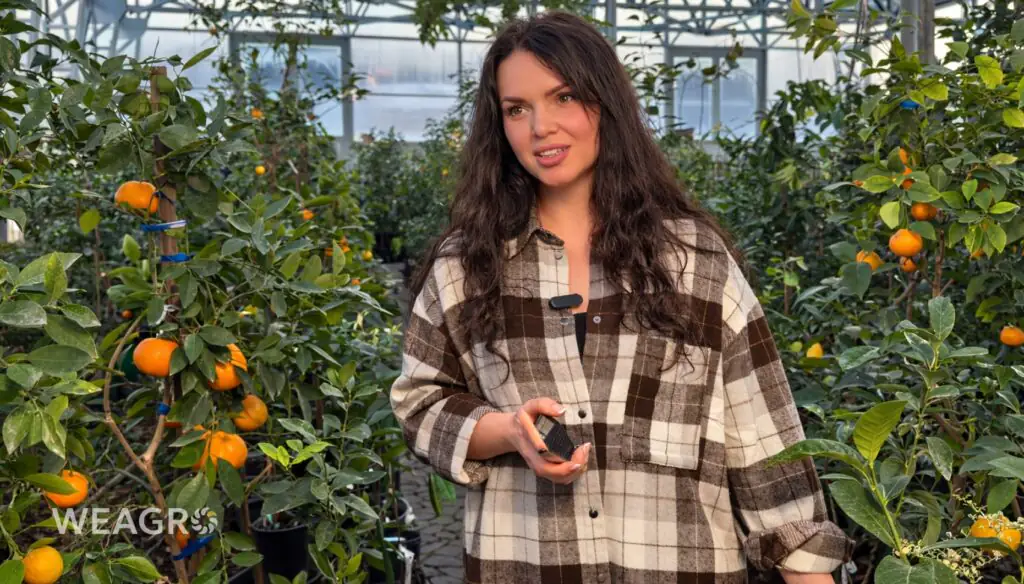
While spring is just beginning outside, the tropics already reign a few kilometers from Lviv. In this greenhouse, the air is filled with the scent of leaves, flowers, and ripe fruit, and fruits that usually reach us labeled “import” ripen among the green foliage. This is the world of Tetiana Zahorodnyk—she created a large greenhouse and has been collecting tropical and subtropical plants for over fifteen years.
Her space is not a “hobby greenhouse.” This is a greenhouse of approximately 500 m², where bananas, mangoes, papayas, avocados, jackfruit, cacao, and hundreds of citrus varieties grow. And most importantly, this place lives by the laws of the tropics even when wet snow, wind, and freezing temperatures surround it.
Two zones, two climate worlds
The greenhouse is divided into two key sections: tropical and subtropical. This division may seem obvious, but it is precisely what allows combining crops with different temperature, humidity, and light requirements in one space. For some plants, stable heat and high humidity are critically important; others need milder conditions closer to a “southern” climate.
The collection did not appear overnight. It was assembled gradually—from the first plant to the current “green garden,” where each species has its own rules and character. And this is reflected in the approach: here, plants are not simply “planted and watered,” but an entire system of plant life has been built—with technologies, care, pollination, and even its own microclimate.
What grows near Lviv: bananas, mangoes, cacao, and more
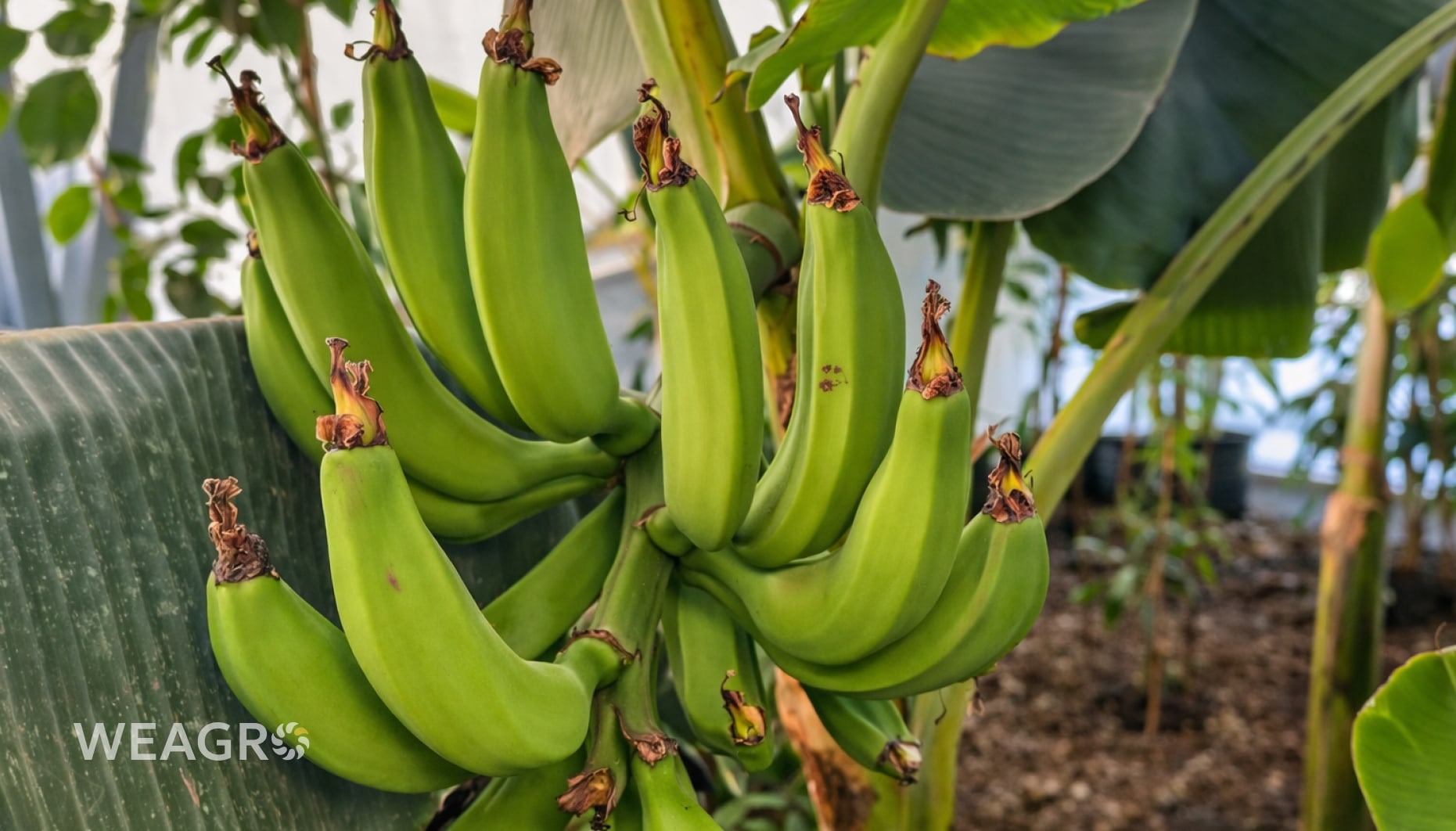
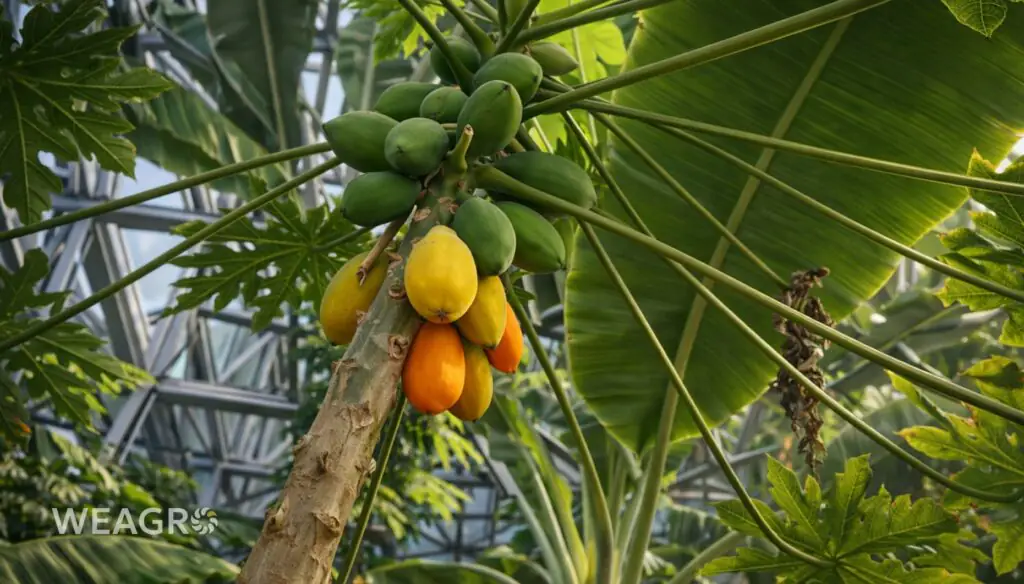
The assortment is most impressive. The greenhouse grows dozens of species and varieties, including both “popular exotics” and rare crops that are almost never found in Ukraine. Bananas occupy a special place: according to the owner, the collection includes over 50 varieties, and they truly differ in taste. Some are very sweet, others have a slight tartness and aftertaste, and there are also plantain bananas, which are better suited for cooking.
A particular pride is the mangoes. To use space as efficiently as possible, Tetiana practices grafting: several varieties can grow on one tree. This is not just an “interesting feature,” but a well-thought-out solution that yields different fruits from one plant and makes the collection even more unique.
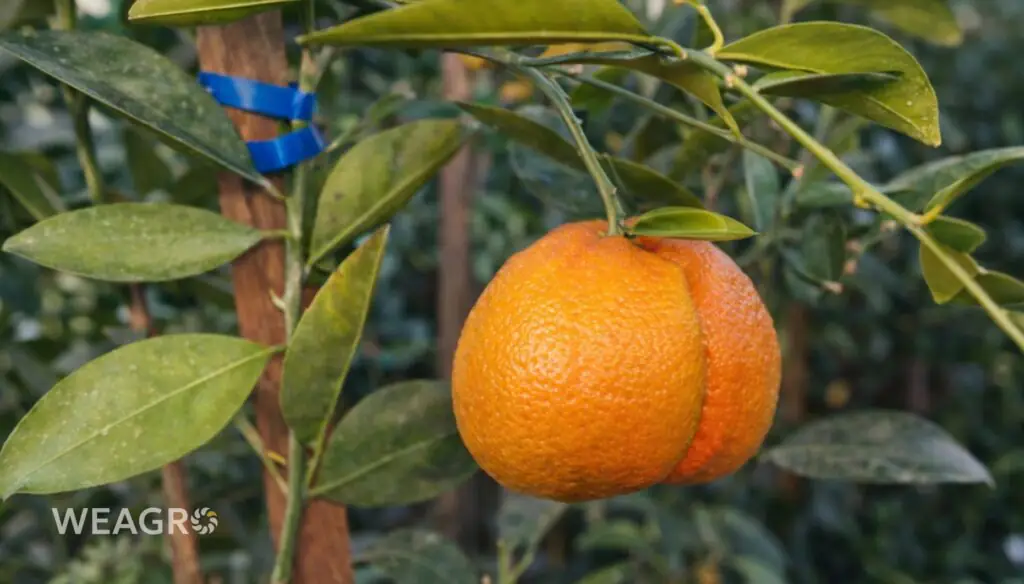
In addition, you can see papaya, avocado, jackfruit, durian, mangosteen, rare citrus species, as well as exotic plants with very slow growth that require patience and precision in care. In the citrus zone, there is a whole world of flavors and forms: mandarins, lemons, kumquats, grapefruits, and varieties that are usually only familiar from culinary videos.

Plants from travels and the “banana from Sri Lanka”
Part of the collection has its own story. Tetiana brings planting material from her travels, and each such trip becomes not only a vacation but also a search for new species. One of the most vivid episodes is the “banana from Sri Lanka,” which she brought back after visiting plantations and grew at home. This sounds like an adventure story, but it actually demonstrates the main feature of this greenhouse: what grows here is not “random greenery,” but a collection assembled with curiosity, systematicity, and attention to detail.
How plants bear fruit without insects: manual pollination and precision
Tropical crops are often “tied” to specific pollinators. For example, mangoes are pollinated by insects in nature, and this may be lacking in greenhouse conditions. Therefore, the greenhouse uses both natural and manual pollination. If the necessary insects are absent, the owner does this work manually—with a brush. This is meticulous work, but it is precisely what transforms beautiful trees into trees that actually produce a harvest.
Technologies that create the tropics: heat, light, ventilation, autonomy
For tropical plants not just to survive but to grow steadily and bear fruit, precise conditions are required. The greenhouse has designed systems for soil heating, lighting, ventilation, heat recovery, and autonomous heating. Everything matters here: temperature, light distribution, humidity, air movement. Lighting is calculated so that the plant receives enough “its own” light even in winter, when the day is short.
Energy independence is a separate story. For stable operation of the systems, solar panels, batteries, geothermal heat are used, and a backup generator is provided for non-standard situations. This allows the greenhouse to remain “alive” even during power outages—and for heat-loving crops, such stability is often decisive.
By the way, it is precisely in such technological projects that agribusiness most quickly appreciates the value of systematic solutions and expense planning, especially when it is necessary to develop a farm without excessive pressure on working capital—in this context, tools like WEAGRO logically fit into the modern ecosystem of agricultural entrepreneurship.
A koi pond as part of the microclimate
To maintain humidity in the tropical zone, a small pond with decorative koi fish was created in the greenhouse. It functions not only as aesthetics but also as a natural microclimate tool. The water helps maintain the required humidity level, especially in summer, when the temperature in the upper layers of the greenhouse can be very high. For many tropical plants, humidity in the range of 80–85% is a basic comfort condition, without which they quickly lose their growth rate.
From an apartment to 500 m²: how a dream grows
The first tropical attempts began with a few seedlings in an apartment. Then a small greenhouse appeared, followed by the feeling that there was no longer enough space. This is how the large greenhouse gradually grew, where the technical part became the foundation of the entire system. Family support is also important in this story: technical support, system design, solution stability—all of this makes the “tropics near Lviv” not a coincidence, but the result of daily work.
A collection that became record-breaking
In April of last year, the collection was recognized as the largest in Ukraine among tropical and subtropical plants. During the achievement registration, a representative of the National Register of Records of Ukraine counted 844 specimens, but since then the collection has continued to grow and has already exceeded a thousand plants. For people far from botany, this sounds like “a lot of greenery.” For those who understand what it means to maintain such species in stable condition, this is almost incredible systematicity.
The greenhouse as a life’s work and source of knowledge
Tetiana does not keep her experience “in a drawer.” She shares knowledge with those interested, provides consultations, maintains social media pages, and sells seedlings. Her greenhouse has become not only a space for plants but also a place where science, technology, and a living love for nature are combined. There is discipline and technical calculations here, but at the same time there is also a very human dimension—when plants are perceived as family members, and the result is not only a harvest but also the feeling that you have created “another world” in reality.
Conclusion
The tropical greenhouse near Lviv is an example of how curiosity and systematicity can change perceptions of the possibilities of the Ukrainian climate. Bananas, mangoes, cacao, or durian here are not exotic pictures from the internet, but real plants behind which stand years of experimentation, well-designed technologies, and daily work. And the most interesting thing about this story is that it is not about a “miracle,” but about knowledge, patience, and love that literally grow the Amazon where there is snow outside the window.
Source: Lviv24