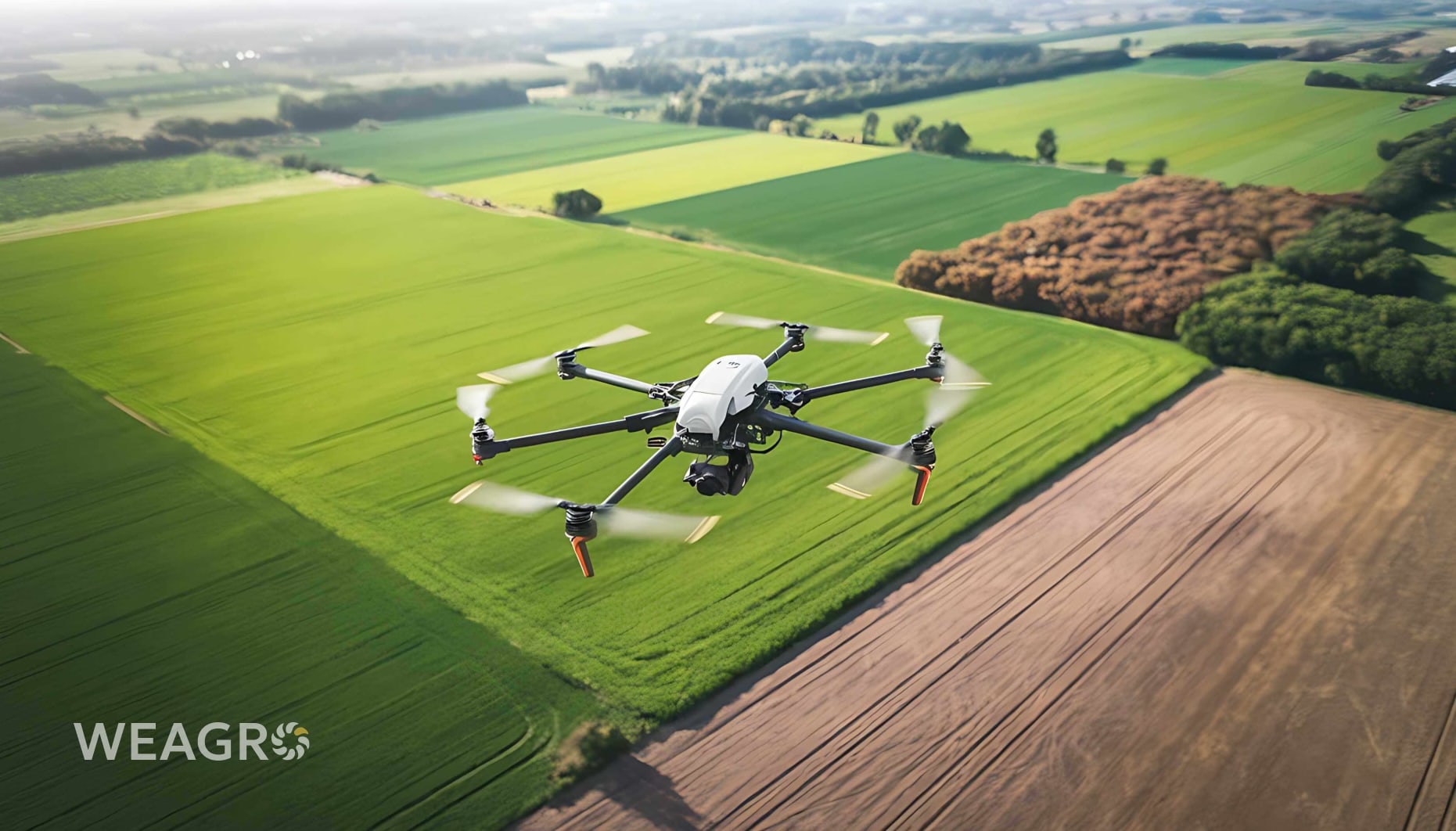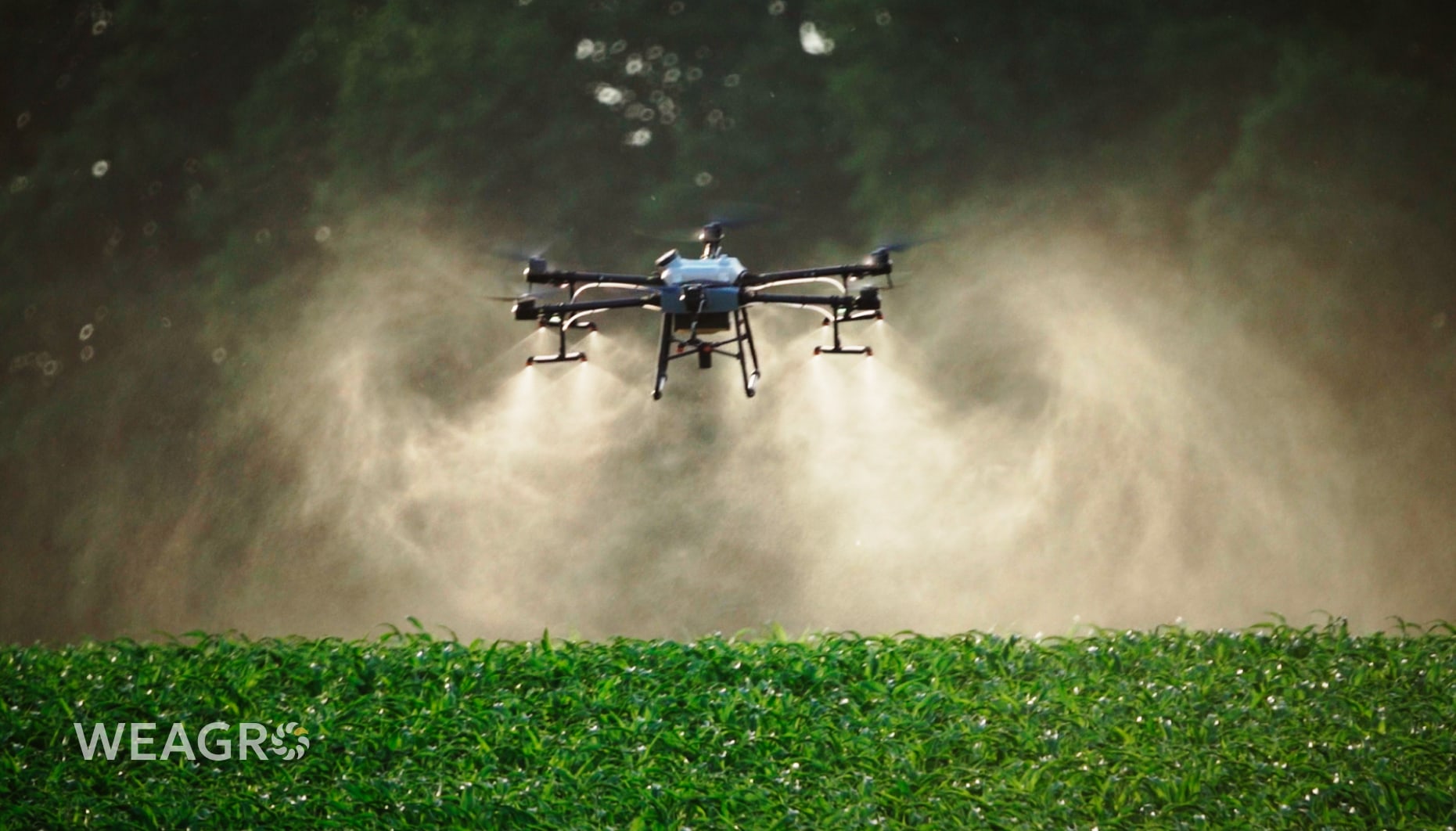
Agriculture today is undergoing a stage of rapid technological evolution. Limited natural resources, rising costs of agricultural production, and increasing environmental requirements are forcing farmers to seek more precise and efficient ways of working in the field. One such solution has been agricultural drones—a technology that combines precision farming, automation, and digital analytics.
Spraying drones allow for a change in the traditional approach to crop protection. Thanks to high mobility, navigation precision, and the ability to operate in challenging conditions, they are gradually becoming an important element of modern agricultural production systems.
How to Choose a Spraying Drone for Your Farm
The question of drone selection often becomes critical for farmers planning to use aerial crop protection application technology. The most important factor in this case is the treatment area and the scale of the farm.
Small Farms
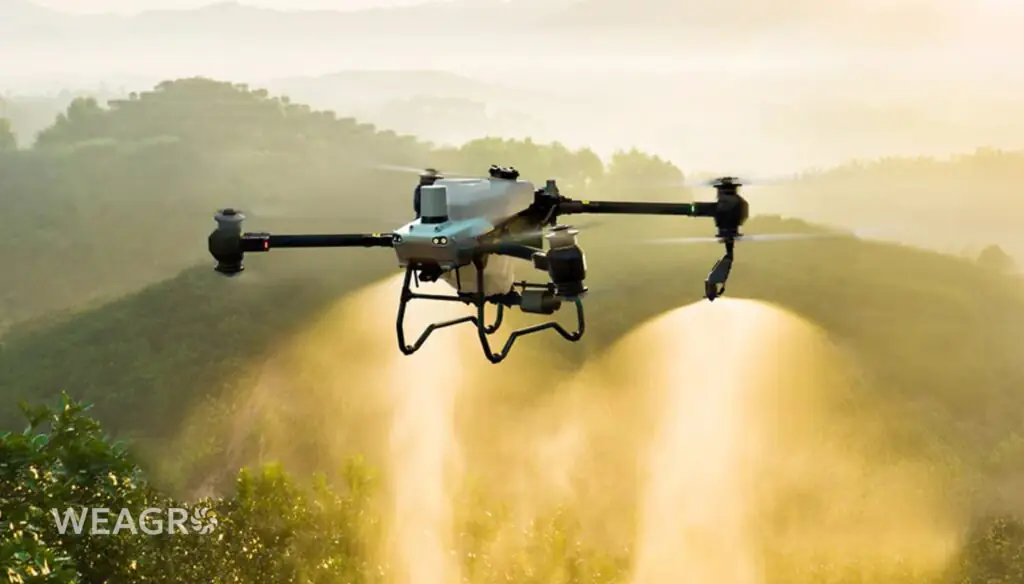
For farmers, compact agricultural drone models with a 20-30 liter tank typically become the optimal choice. Such systems are characterized by ease of operation and do not require complex logistics.
With an application rate of up to 8 l/ha, one drone of this class can provide productivity of approximately 70-100 hectares per working shift. This allows farms with a land bank of around 500 hectares to complete a full treatment cycle within several days.
In practice, many farmers after implementing a drone begin to provide application services to neighboring farms as well, which allows for faster return on investment.
Large Agricultural Companies
For agricultural holdings with a land bank of 50-100 thousand hectares, using one drone is no longer sufficient. In such cases, a full fleet of equipment is formed.
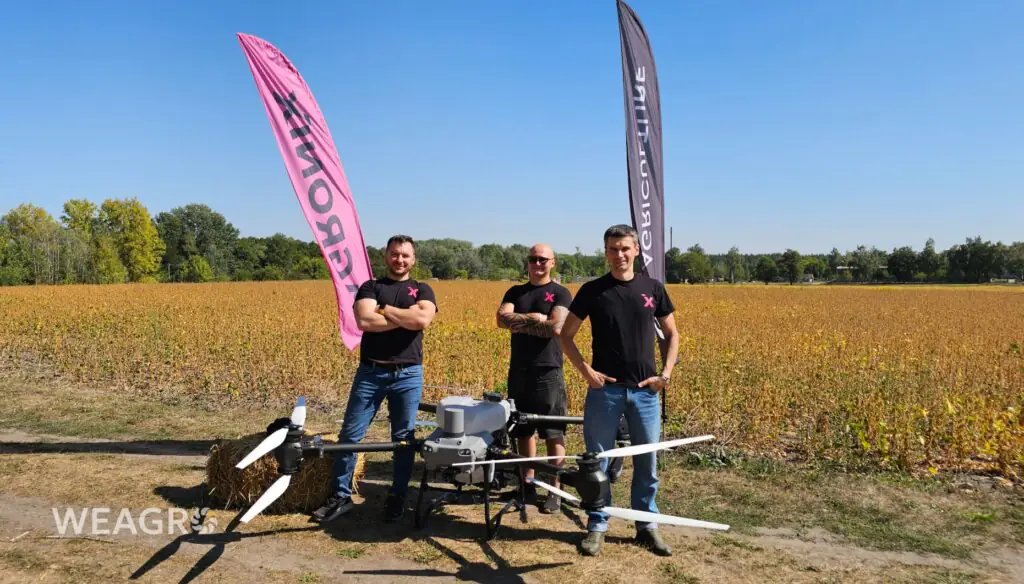
Some Ukrainian agricultural companies have already integrated dozens of drones into their production processes. For example, a farm may operate a fleet of approximately 50 DJI Agras T30 drones that have been working for several seasons with regular maintenance.
However, the modern market offers even more productive models. New generations of drones, particularly the DJI Agras T50, allow for a significant increase in field treatment speed.
Medium-Sized Agricultural Producers
For farms with a land bank of 1,000-5,000 hectares, the optimal solution may be one high-performance drone or several medium-sized models.
Drones with a 30-50 liter tank and increased swath width can provide productivity of up to 150-200 hectares per shift. With proper organization of team work and logistics, productivity can be increased by another 30-50%.
Agricultural Drone Productivity Compared to Ground Equipment
Modern agricultural drone models already achieve productivity of around 200 hectares per shift. Considering approximately 20 working shifts per month, one drone can treat over 4,000 hectares.
Per season, such equipment is capable of performing applications on an area of 10-15 thousand hectares.
For comparison, one wide-swath sprayer treats approximately 30-40 thousand hectares per season. This means that 2-3 agricultural drones can already provide productivity on par with ground equipment, while maintaining a key advantage—no soil compaction.
Quality of Pesticide Application with Agricultural Drones
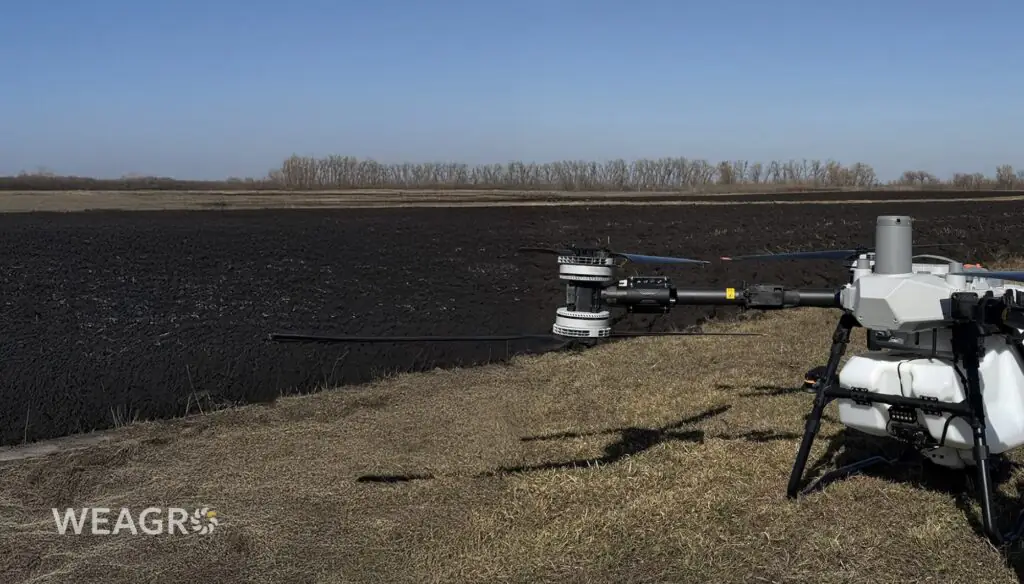
Treatment efficiency depends not only on the equipment, but also on proper selection of products and application conditions. The following are best suited for use with agricultural drones:
- Water-soluble products: They easily form a stable working solution and do not create sediment.
- Suspension concentrates and emulsions: Such products require thorough mixing but can also be used effectively.
- Oil-based formulations: Their use requires caution, as they can affect spray structure.
Product Requirements
For effective aerial application, products must:
- distribute evenly on leaf surfaces
- provide minimal drift risk
- not form sediment
- work at low working solution volumes
Ultra-Low Volume Application Features
Agricultural drones typically operate in ultra-low volume spraying mode, when the application rate is 5-12 liters per hectare. Under such conditions, it is important to use products that:
- are effective at low water volumes
- quickly penetrate plant tissues
- ensure stable droplet distribution
Impact of Weather Conditions
To achieve maximum efficiency, it is important to consider weather parameters. Optimal application conditions:
- wind speed up to 3-5 m/s
- air temperature up to 25°C
- adequate humidity level
The best time for spraying is evening or nighttime hours, when evaporation decreases and wind weakens.
Practical Recommendations and Common Mistakes When Using Agricultural Drones
To ensure consistent application quality, it is recommended to:
- test the working solution before treating large areas
- use adjuvants to improve wetting
- regularly clean the solution delivery system
- control product compatibility
While the most common problems related to organizational errors include:
- incorrect selection of treatment timing
- violation of working solution preparation technology
- ignoring product manufacturer recommendations
- using an inappropriate drone model
- insufficient operator training
Conclusion
Agricultural drones are becoming an important element of modern precision farming. They allow for increased crop protection efficiency, reduced resource consumption, and minimized negative environmental impact.
For successful implementation of this technology, it is necessary to properly select equipment, consider farm characteristics, and comply with agrotechnological requirements.
In the coming years, agricultural drones may become one of the key tools for increasing agribusiness productivity.