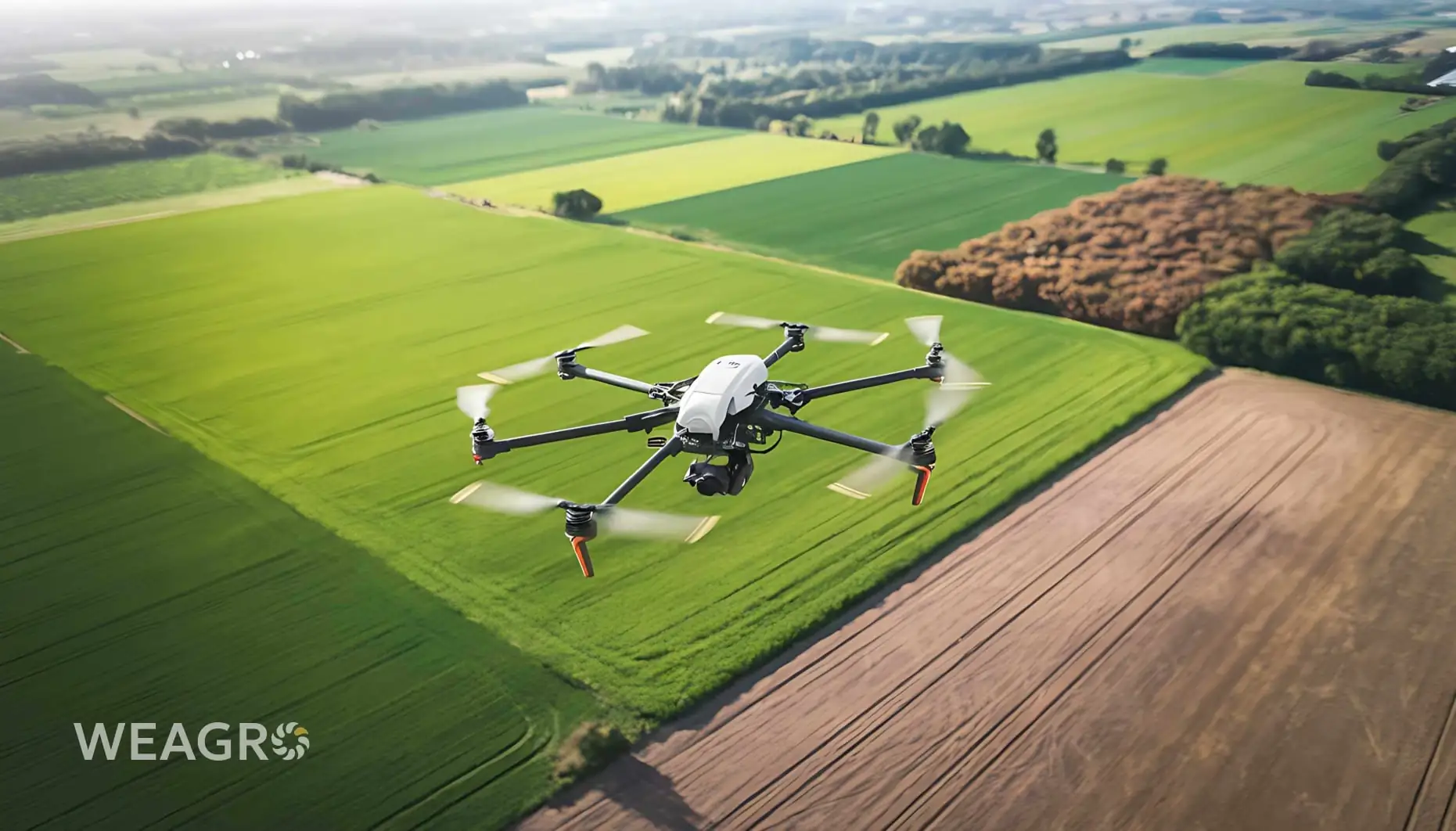
The technical equipment of an agricultural enterprise is one of the key factors not only for production efficiency but also for the financial stability of the entire farm. The timeliness of field work, the accuracy of agrotechnological operations, the level of fuel consumption, the effectiveness of fertilizer and plant protection product application, and ultimately, the actual yield and cost of each crop depend on the state of the machine and tractor fleet. Despite this, equipment upgrades in many farms still occur in the format of forced decisions in spring, when the equipment is needed “yesterday,” and choices and financial capabilities are significantly limited. That is why December, as an off-season period, is of strategic importance for modernizing the machinery fleet and forming a competitive advantage for the next season.
Winter allows you to look at the technical equipment of the farm not from the position of urgently replacing a broken unit, but from the position of systematic asset management. During this period, there is time for diagnostics, analysis of the efficiency of each equipment unit, comparison of repair and maintenance costs with increasing operational risks, and making a balanced investment decision.
Economic logic of off-season equipment upgrades
December is a phase of reduced demand for the agricultural machinery market. The spring peak has not yet begun, seasonal purchases are completed, and dealers, importers, and service companies are forming new sales plans for the next year. In such conditions, equipment prices generally remain more stable than in the pre-sowing period, and opportunities for negotiating supply terms are much broader.
For an agricultural enterprise, this means the possibility of fixing the cost of equipment before the spring price increase, when logistical markups, storage costs, and exchange rate adjustments are often added to the base price. In addition, winter purchases allow avoiding shortages of popular models, which regularly occur in March-April when demand sharply exceeds actual supplies.
The economic effect of such decisions is manifested not only in the immediate price difference but also in the reduction of indirect costs. The farm understands its production capabilities in advance, adjusts the crop structure to real technical resources, and does not incur losses from downtime at the height of the season.
Impact of machinery fleet condition on product cost
The condition of equipment has a direct and indirect impact on the cost of agricultural products. Worn-out units consume more fuel, require more frequent repairs, work with lower precision, and create higher technological losses. Even a slight decrease in the efficiency of sowing or soil cultivation on large areas transforms into tangible financial losses per hectare.
Modern equipment, on the contrary, allows optimizing resource consumption, increasing the accuracy of fertilizer and plant protection product application, reducing overlap and loss of seed material. As a result, this reduces production costs and increases the predictability of financial results. That is why investments in equipment upgrades should be viewed not as expenses, but as a tool for increasing business efficiency and sustainability.
December as a period of strategic technical diagnostics
In winter, it is much easier to conduct a comprehensive assessment of the technical condition of machines. After completing field work, the farm has the opportunity to analyze all operational failures, frequency of breakdowns, repair costs, and downtime levels without haste. It is based on this data that an objective picture is formed of which equipment units are economically feasible to keep in operation and which need replacement.
December gives time to compare several development scenarios: major repairs, partial modernization, or complete renewal. Each of these options has its cost, risk level, and impact on the future production campaign. During peak loads, such a balanced comparison is practically impossible, while in the off-season it becomes the basis for informed investment decisions.
Financial planning and liquidity during machinery fleet upgrades
One of the main reasons for postponing equipment upgrades is concern about the load on working capital. The purchase of units is often viewed as a significant one-time payment that reduces the farm’s financial flexibility on the eve of the season. However, it is the winter period that allows for properly distributing this load over time and integrating investments into the overall budget for the next year.
When the decision to upgrade is made in December, the agricultural enterprise can plan cash flow in advance, correlate payment schedules with projected revenues, and avoid peak concentration of expenses in spring. In modern conditions, financial instruments that allow making investments without momentary withdrawal of large sums from circulation are becoming increasingly important. This is the logic behind agricultural installments through the WEAGRO online service, which allows updating equipment in the off-season with gradual payment throughout the season, maintaining liquidity during critical periods of the production cycle.

Technical readiness for spring as a yield factor
The spring sowing campaign is extremely sensitive to timing. Shifting work even by a few days can significantly affect yield potential. That is why technical readiness for the season is crucial. Equipment that is purchased or modernized in winter undergoes necessary adjustments, running-in, and service before the start of field work. This allows not losing any technological “pause” due to installation, staff training, or additional purchases of components.
In spring, every hour of equipment operation has its price. Any downtime due to unprepared units leads to disruption of the production schedule, resource overruns, and increased costs. Updating the machinery fleet in December minimizes these risks, ensuring continuity of the production process from the first day of field work.
Reduction of technical and operational risks
Worn-out equipment is not only increased costs but also a high level of operational risks. Unforeseen breakdowns during sowing or cultivation periods entail emergency repairs, replacement of units at inflated prices, and loss of optimal agrotechnological timing. As a result, even a well-planned technological map can be ruined due to technical limitations.
Investing in equipment upgrades in winter becomes a risk management tool. The farm reduces the likelihood of emergency situations, stabilizes the production rhythm, and gains greater control over the entire technological chain.
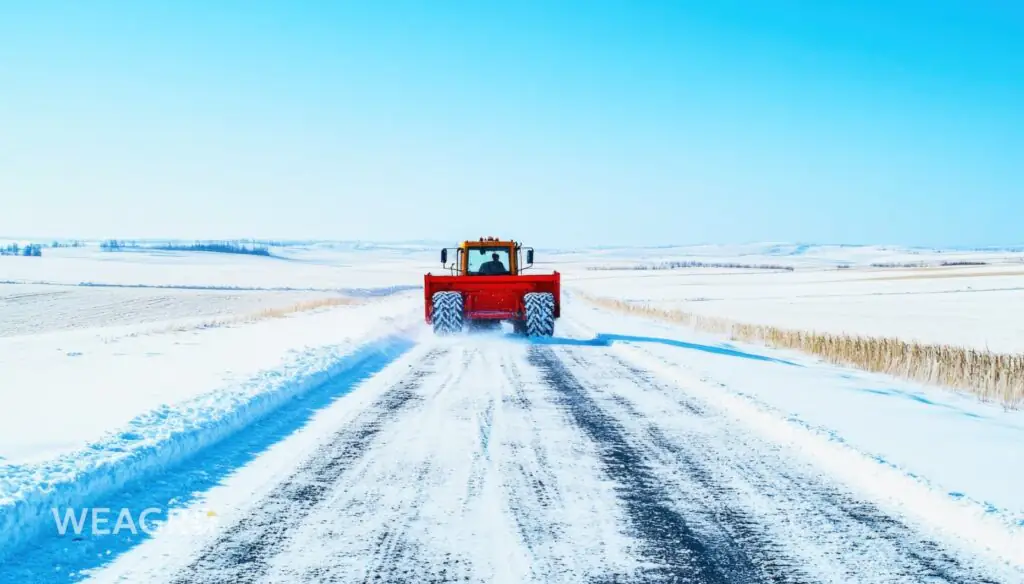
Investment attractiveness of the farm and the role of technical modernization
For investors, banks, and financial partners, the state of the technical base is one of the important indicators of business maturity. Farms with updated machinery fleets have higher production stability, predictable costs, and lower operational risks. This directly affects the conditions for attracting financing, insurance, and participation in investment programs.
Updating equipment in December allows synchronizing investment decisions with financial planning and preparing the farm for negotiations with partners in the first quarter of the year, when most financial programs are formed.
Psychological aspect of technical readiness
In addition to economic and technological factors, updating the machinery fleet in winter has an important psychological effect on the team. Preparedness for the season reduces stress levels, allows working within clearly defined frameworks, and focusing on the quality of work performance. The manager, agronomist, and machine operator understand the capabilities of the equipment, its productivity, and real load limits, which increases the coherence of all production processes.
Such an effect cannot be achieved in conditions of constant emergency decisions in spring, when most actions are dictated by a shortage of time and resources.
Long-term effect of winter investments in equipment
Regular updating of the machinery fleet in the off-season forms a culture of strategic asset management in the farm. Equipment ceases to be the “weak link” in the production process and becomes a tool for increasing efficiency, controlling costs, and increasing yields. In the medium term, this gives a cumulative effect: cost reduction, increased operational stability, and strengthening of the enterprise’s financial position.
Conclusion
December is not a pause between production cycles, but a key period for strategic investments in the technical base of an agricultural enterprise. It is in this month that the most favorable conditions for making balanced decisions, financial planning, and technical preparation for the new season are combined. Updating the machinery fleet in winter reduces production and financial risks, increases the efficiency of field work, and forms a long-term competitive advantage. Farms that use the off-season for modernization enter the spring campaign not with limitations, but with tools for growth.
Rational off-season planning of technical investments allows preparing for spring without peak financial load and with full production readiness.