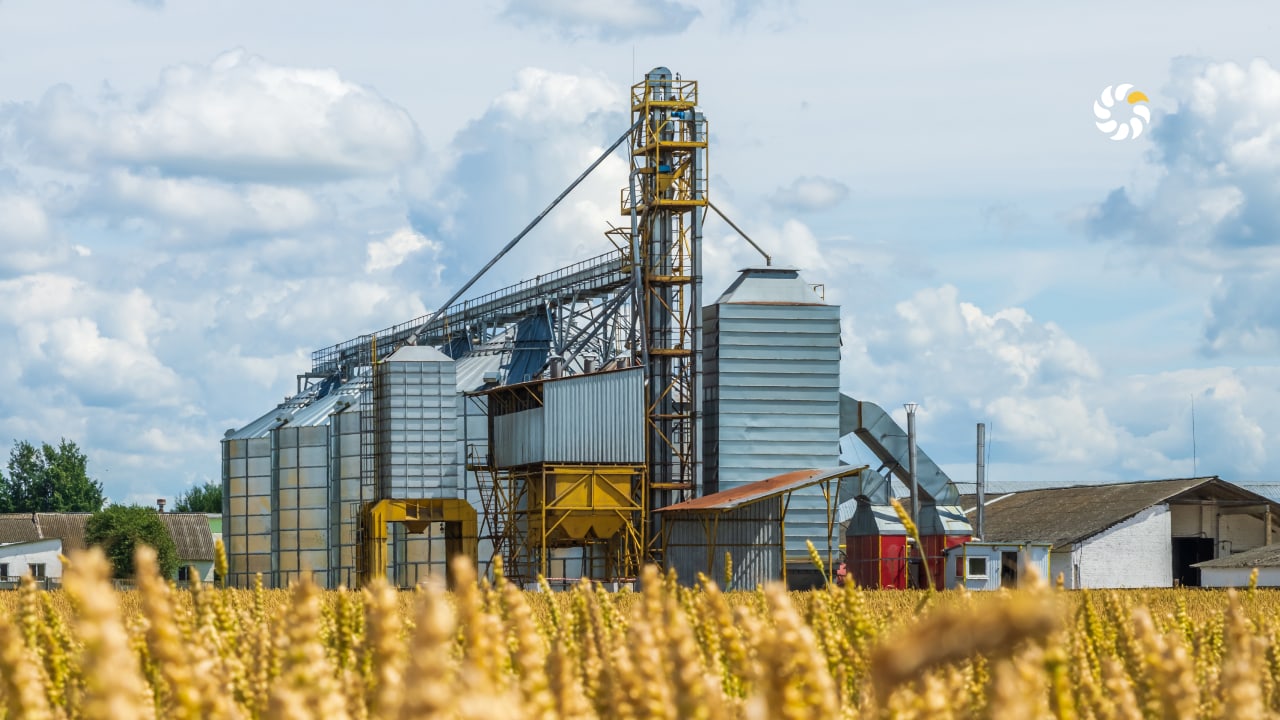
Harvesting creates a peak load on several links of the farm at once: combines, transport, grain dryers, the laboratory, and storage capacities. Therefore, the preparation of the grain elevator for the new harvest must be completed before the mass arrival of grain. Residues of last year’s products, dust in transport equipment, pests, a faulty bucket elevator, or insufficient capacity of the intake line can delay the unloading of grain trucks in the very first days of the campaign.
Special attention is required for the condition of premises and equipment that may have operated with minimal load or stood idle for several months. Before the start of the season, the entire grain route must be checked: from the weighbridge and sampling point to cleaning, drying, and placing the batch into storage. Such an inspection allows for the identification of weak points before dozens of trucks from the field begin to arrive at the site simultaneously.
When to start preparing the grain elevator for the new harvest?
The start date for work depends on the crops, projected harvest dates, the volume of residues from the previous season, and the technical condition of the complex. It is advisable to conduct the inspection with a time buffer for repairs and parts supply. If troubleshooting a conveyor or grain dryer is performed just a few days before the first mass arrival of grain, the required bearing, belt, or electric motor may not be in stock.
The first stage is the assessment of residues from the previous harvest. It is necessary to determine which containers and warehouse sections must be emptied, where to move the residues, and how much actual capacity will be available for new batches. After this, you can proceed to the troubleshooting of structures and technological equipment.
It is advisable to perform the work sequentially: first, conduct an inspection and compile a list of faults, then perform repairs, clean the premises and equipment, carry out necessary sanitary measures, and check ventilation and thermometry. The final stage is a test run of the entire technological line.
The calendar should be tied to the actual harvest forecast. If the farm grows early grains, the main work at the warehouse must be completed before their mass harvesting begins. For an enterprise with several crops, it is also necessary to determine in advance which silos, warehouses, or sections will be used for each product.
Cleaning and Sanitary Preparation of the Grain Storage Facility
High-quality cleaning of a grain storage facility covers significantly more surfaces than just the floor and walls. Grain dust and small organic residues accumulate on beams, in technological niches, under conveyors, in intake pits, bucket elevators, and other places where access is limited during the season.
Such residues create an environment for the development of insect pests and complicate the maintenance of proper sanitary conditions. Therefore, grain storage preparation should involve the sequential cleaning of all zones that come into contact with grain or are located near the technological line.
Before receiving the harvest, the following must be performed:
- preparing the grain elevator for the new harvest with the complete removal of grain residues from the previous season;
- cleaning floors, walls, beams, technological niches, and other surfaces;
- cleaning bucket elevators, conveyors, augers, and intake pits;
- removing dust, chaff, and other organic residues;
- inspecting cracks, holes, and potential entry points for rodents;
- disinfestation and deratization as needed;
- cleaning the area near warehouses, silos, and unloading points.
During the inspection, special attention is paid to hard-to-reach areas. Even a small amount of infested residue in transport equipment can come into contact with a new batch during its movement.
Disinfestation of the grain storage facility is carried out taking into account the identified pests, the design of the premises, products approved for the relevant application, and manufacturer instructions. WEAGRO recommends checking warehouses for pests before receiving the new harvest, particularly in July-August. Requirements for premises, ventilation, and product protection are discussed in more detail in the article “Warehouse Requirements: Storing Agricultural Products.”

What equipment needs to be checked before receiving grain?
During harvest, the failure of a single unit can stop the entire technological line. For example, a faulty bucket elevator can restrict grain movement even if the separators, dryer, and other equipment are functional. That is why the entire product route must be checked.
The main objects of pre-season control include bucket elevators, belt and chain conveyors, augers, intake pits, separators, fans, aspiration systems, grain dryers, weighing equipment, and samplers. For each unit, the mechanical part, drives, belts, chains, bearings, electric motors, sensors, and safety systems are checked according to the equipment design.
The grain dryer requires special attention. Before the start of the season, burners, fans, loading and unloading mechanisms, temperature sensors, and automation must be inspected. If grain with high moisture content is expected, the actual drying capacity may determine the throughput of the entire complex.
After repair, it is advisable to check the equipment in operating mode. An idle start helps find some mechanical problems, but the behavior of a conveyor, bucket elevator, or other unit under load may differ. A test run before the start of the harvest leaves time to fix faults.
Separately, a stock of critical spare parts and consumables is formed. Its composition depends on the specific equipment, but it often includes bearings, belts, chains, sensors, fasteners, electrical components, and other parts with a high risk of wear. Emergency delivery of such a part in the heat of the harvest can take longer than the receiving schedule allows.
How to check conditions for the safe storage of the new harvest?
Preparing the warehouse for grain storage involves checking structures, microclimate, and control systems. The premises must be dry, protected from precipitation and the penetration of ground moisture. The floor must have a hard surface, and the roof, joints, and drainage must not create a risk of water entering the grain mass.
Before the season, ventilation ducts, fans, and air pipes must be inspected. Clogging, mechanical damage, or insufficient ventilation capacity complicates the management of the grain mass condition after storage.
The thermometry system is checked separately. Temperature is one of the key control parameters during storage, as a local increase can signal the development of self-heating processes. Functional sensors and regular reading of indicators allow for the timely detection of problem areas.
The risk of self-heating depends on grain moisture, temperature, impurities, the condition of the batch, and ventilation conditions. Therefore, storage of the new harvest begins with an assessment of each batch during reception. Grain that requires cleaning or drying should be directed to the appropriate technological operation before being placed in the main container.
It is also necessary to check for the absence of foreign odors, traces of mold, and the penetration of birds, rodents, and insects. After loading, monitoring continues throughout the entire grain storage period, as its condition can change depending on the ambient temperature and internal processes in the grain mass.
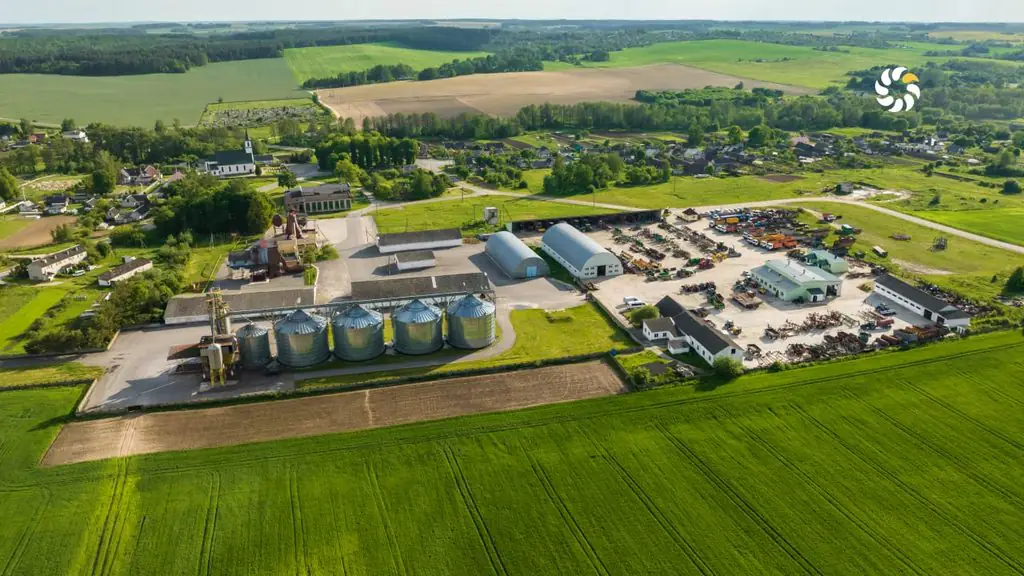
How to prepare the laboratory and grain quality control?
The work of the laboratory directly affects where each batch will be directed after entering the site. Before the harvest begins, it is necessary to check the functionality of instruments, equipment for sampling and sample preparation, and the readiness of personnel to work under peak load conditions.
During grain reception, parameters specified for the particular crop and the enterprise’s operating conditions are determined. Basic parameters may include moisture, impurities, test weight, and other quality characteristics. The analysis result is used for the batch’s further route.
For example, grain with moisture exceeding the parameters accepted for storage is sent for drying. A batch with an increased amount of impurities may require pre-cleaning. The loading of separators, grain dryers, and containers depends on the accuracy of measurements.
The representativeness of the sample is of great importance. Even a functional moisture meter or other laboratory equipment will not provide a reliable result if the sample does not reflect the characteristics of the entire batch. Therefore, before the season, the entire process must be checked: from sampling to entering the analysis results into the accounting system.
Weighing equipment is also prepared in advance. If problems with weighing or data transmission arise during the peak arrival of grain trucks, the queue quickly spreads to other sections of the technological route.
How to prepare the logistics for receiving the harvest?
The throughput of a grain elevator is determined by the performance of the slowest operation in the technological chain. Even a powerful intake pit will not eliminate queues if the laboratory, weighbridge, transport equipment, or grain dryer cannot keep up with the grain flow.
A standard grain truck route may include entry to the site, primary weighing, sampling, laboratory analysis, determination of the unloading point, unloading, secondary weighing, and exit. Before the start of the season, this route should be completed in test mode to estimate the time of each operation.
Next, the receiving capacity is compared with the capabilities of the harvesting equipment. If several combines are working simultaneously in nearby fields, it is necessary to forecast the amount of grain that will arrive per hour and the required number of grain trucks. A bottleneck at the elevator quickly leads to truck delays, and a lack of transport can force a combine to wait in the field.
Before the start of the campaign, it is advisable to determine the traffic pattern on the territory, waiting areas, the operating procedure for the weighbridge and laboratory, routes to different unloading points, and rules of action during peak load hours. If different crops or batches with different characteristics are received, their separation must be planned.
More details on the impact of the readiness of warehouses, grain dryers, elevator equipment, and transport on the harvesting campaign can be found in the WEAGRO material “How to Reduce Harvest Losses During Harvesting.”
Practical Checklist for Grain Elevator or Warehouse Readiness
Pre-season control is more conveniently conducted using a single list, in which the responsible person records the status of each unit, identified problems, repair deadlines, and the result of the re-check. This reduces the risk of missing equipment or an area that is used only during peak product arrival.
The action algorithm is as follows:
- Check residues of the previous season’s grain and actually available warehouse capacity.
- Completely clean premises, silos, and technological equipment.
- Check the grain storage facility for insects, rodents, and other pests.
- Carry out necessary disinfestation and deratization measures.
- Eliminate leaks, cracks, and structural damage.
- Check bucket elevators, conveyors, augers, and intake pits.
- Conduct a test run of grain cleaning and drying equipment.
- Check ventilation, aspiration, and the thermometry system.
- Prepare laboratory equipment and the sampling system.
- Check weighing equipment.
- Form a stock of critical spare parts and consumables.
- Check the power supply and backup power sources, if provided for by the technological scheme.
- Plan grain truck routes and the receiving schedule.
- Check the functionality and availability of the required fire-fighting equipment.
- Conduct pre-season briefing for personnel.
- Perform a test run of the technological line and eliminate identified problems before the start of mass harvesting.
It is advisable to supplement such a checklist with responsible persons and deadlines. If a fault is detected during inspection, the record of it alone is not enough: a repair date must be set and a re-check conducted.
Repairs, spare parts, and modernization of individual units should be included in the farm’s pre-season budget. Significant expenses for electric motors, conveyors, automation, or grain drying equipment are best planned before the start of peak load. The WEAGRO ecosystem of embedded financial solutions for agribusiness helps farmers plan seasonal purchases and manage the farm’s financial needs.
The readiness of a grain elevator or warehouse is determined by the state of the entire technological system: from the cleanliness of the premises to the throughput of the intake line. Timely cleaning, equipment repair, checking the laboratory, ventilation, thermometry, and logistics reduce the risk of downtime during a period when every hour of the harvesting campaign matters. Other practical materials on preparing a farm for the season are collected in the WEAGRO blog.